
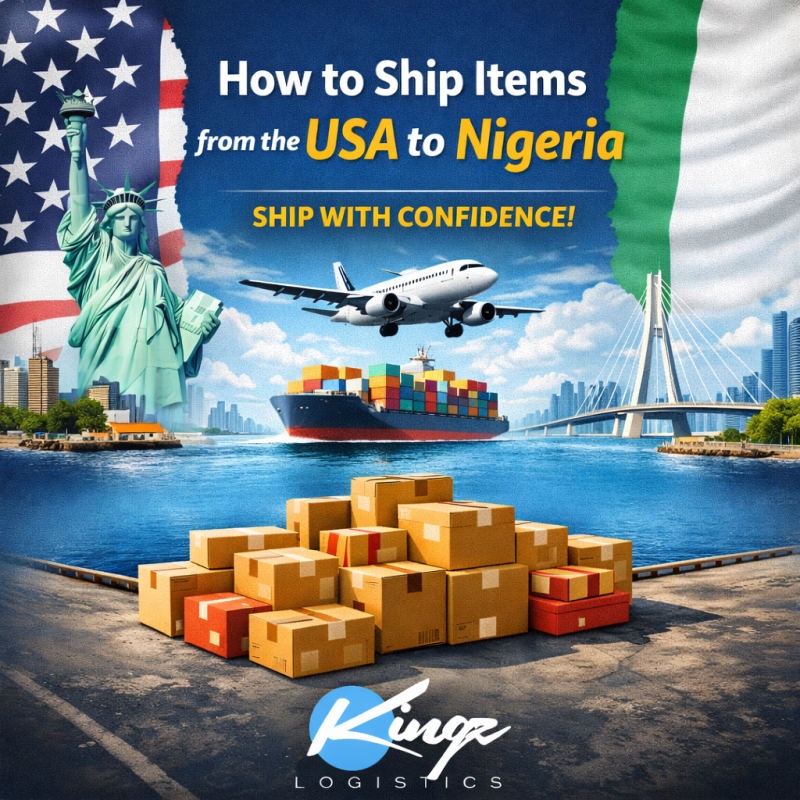
How to Ship Items from the USA to Nigeria (Step-by-Step Guide)
Shipping items from the United States to Nigeria can feel confusing if you’ve never done it before. Questions about packing, cost, customs, and delivery timelines often make the process seem more complicated than it really is.
The truth is simple: once you understand the basic steps, international shipping becomes straightforward.
In this guide, we’ll walk you through exactly how to ship items from the USA to Nigeria, what to expect during the process, and how to avoid common mistakes.
Step 1: Decide What You Want to Ship
Before anything else, identify the items you plan to send. These may include:
-
clothing and personal items
-
electronics and gadgets
-
household goods
-
business inventory
-
shoes and fashion items
However, some items are restricted or prohibited in international shipping, including flammable products, certain batteries, and hazardous materials.
When in doubt, it’s always best to confirm with your shipping company before packing the box.
Step 2: Choose the Right Shipping Method
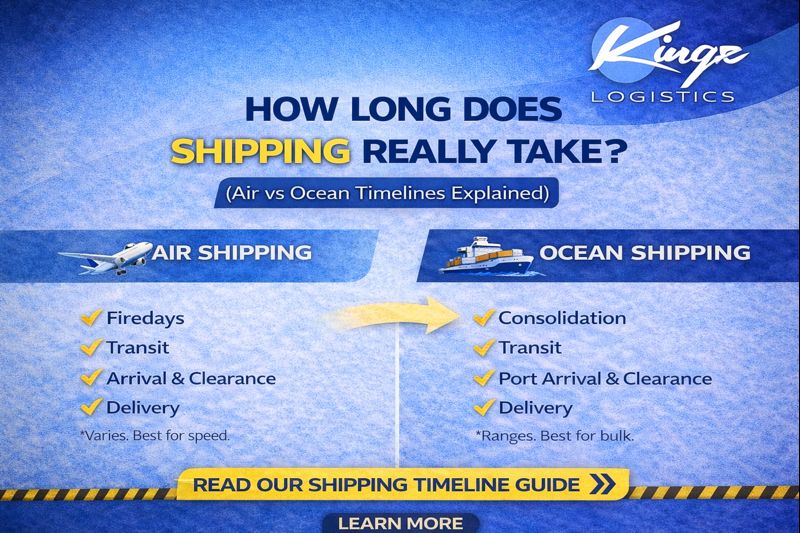
When shipping from the USA to Nigeria, there are typically two main shipping methods.
Air Freight
Air freight is best for:
-
urgent shipments
-
smaller packages
-
valuable items
-
time-sensitive deliveries
Air shipping is faster, but usually more expensive than ocean freight.
Ocean Freight
Ocean freight is ideal for:
-
barrels
-
large boxes
-
bulk shipments
-
household goods
Although ocean shipping takes longer, it is often more economical for larger shipments.
Choosing the right option depends on your timeline and the size of your shipment.
Step 3: Pack Your Items Properly
Packing is one of the most important steps in international shipping.
Poor packaging can lead to damaged items, delays, or higher shipping costs.
Follow these simple guidelines:
-
use strong boxes
-
avoid oversized boxes with empty space
-
protect fragile items with padding
-
seal boxes securely
Another factor to consider is volumetric weight, which means shipping companies may charge based on the size of the box, not just the weight.
This is why packing efficiently can reduce your shipping cost.
Step 4: Label Your Shipment Clearly
Accurate labeling prevents mix-ups and delivery delays.
Your shipment should include:
-
sender name and contact information
-
recipient name
-
full delivery address
-
phone number of the recipient
Clear labeling ensures your shipment can move through the shipping process smoothly.
Step 5: Drop Off Your Shipment or Arrange Pickup
Once your items are packed and labeled, you can:
-
drop them off at the shipping warehouse, or
-
schedule a pickup if the service is available.
During this stage, the shipping company will usually:
-
inspect the package
-
confirm shipment details
-
record the contents of the shipment
-
prepare it for export.
Step 6: Shipment Processing and Export
Before leaving the country, your shipment goes through several operational steps.
These typically include:
-
sorting and consolidation
-
export documentation
-
preparation for transport
-
loading into aircraft or shipping containers.
Although customers may not see this part of the process, it is critical to ensuring shipments move safely and efficiently.
Step 7: Arrival, Clearance, and Delivery
When the shipment arrives in Nigeria, it goes through the final stages of the logistics process.
These steps may include:
-
arrival processing
-
customs clearance
-
sorting for final delivery
-
delivery to the recipient.
Once these steps are complete, the shipment reaches its destination.
Common Mistakes to Avoid
Many shipping delays happen because of small mistakes.
Here are some common ones to avoid:
-
packing items in oversized boxes
-
including restricted items
-
incorrect labeling
-
missing recipient information
-
dropping off shipments after the cut-off date.
Planning ahead helps avoid these issues.
Why Shipping with the Right Logistics Partner Matters
International shipping involves multiple stages, regulations, and operational steps.
Working with an experienced logistics provider helps ensure that shipments are handled correctly from start to finish.
Reliable shipping companies provide:
-
clear guidance on packing and documentation
-
efficient shipment handling
-
transparent communication throughout the process.
Final Thoughts
Shipping from the USA to Nigeria doesn’t have to be complicated.
Once you understand the process—from choosing the shipping method to packing properly and labeling your shipment—you can ship with confidence.
International logistics is not just about moving boxes. It’s about process, coordination, and reliability.
Frequently Asked Questions
How long does shipping from the USA to Nigeria take?
Shipping timelines depend on the shipping method and the shipment schedule.
What items cannot be shipped internationally?
Hazardous materials, flammable products, and certain batteries may be restricted.
Is air freight or ocean freight better?
Air freight is faster, while ocean freight is better for larger shipments.
Need Help Shipping to Nigeria?
If you are planning a shipment and need guidance, working with a reliable logistics partner can make the process smoother and more predictable.
Understanding the process is the first step toward shipping with confidence.
Related Articles
How Much Does It Cost to Ship From USA to Nigeria?
Shipping From USA to Nigeria Cost GuideThe cost of...

Four things your freight partner should never make you feel
Most people don’t leave their freight partner because...

Top 10 American Products Nigerians Love to Import
Whether you're in Lagos, Abuja, Port Harcourt, or...
8 Shipping Best Practices You Should Never Ignore
A Guide for Shipping from the USA to...

First-Time Shipper Checklist: Everything to Do Before You Ship
If this is your first time shipping with Kingz...
How Long Does Shipping Really Take?
Air vs Ocean Timelines Explained: The honest breakdown...